
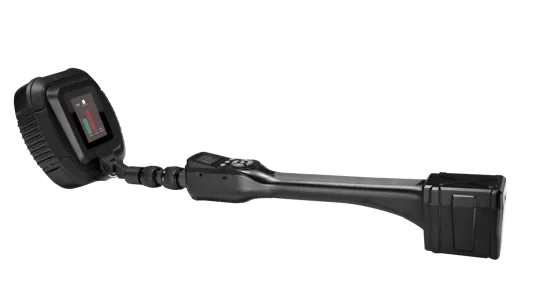
Full-size NLJD
Nonlinear Junction Detector
- ≥ 10 m
- −140 dBm
- ≥ 9 h battery
The longest-range unit in the family. Detects through a 550 mm brick wall, with display, audio and vibration alerts and a replaceable lithium battery.
Equipment for finding hidden electronics, screening people and packages, and controlling radio signals during search, disposal and protection tasks.

A nonlinear junction detector (NLJD) finds electronic devices hidden in walls, floors, ceilings, furniture or packages, whether or not they are switched on. The detectors below meet Grade C, the highest grade, of the GA1236-2015 standard.
The longest-range unit in the family. Detects through a 550 mm brick wall, with display, audio and vibration alerts and a replaceable lithium battery.
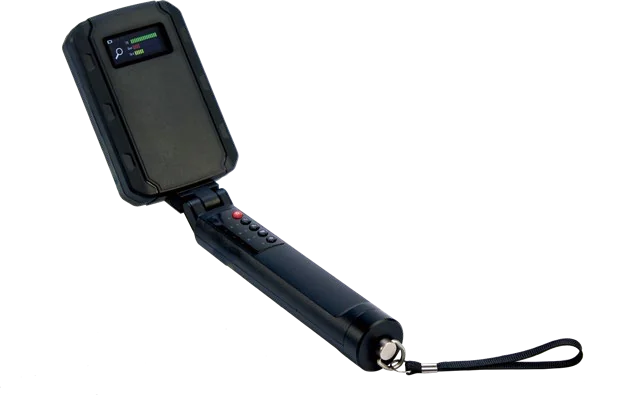
A light, folding detector for routine sweeps. Detects through a 370 mm brick wall. A telescopic-rod version reaches ceilings, lamps and air vents.
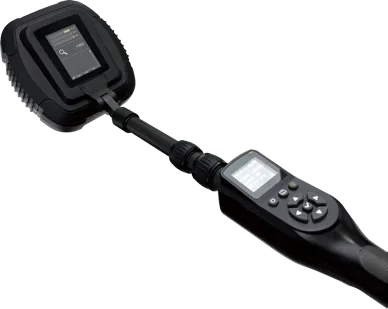
Shows the type of object detected on screen, which cuts the time spent checking false alarms. Suited to electronic explosive investigation and contraband searches.
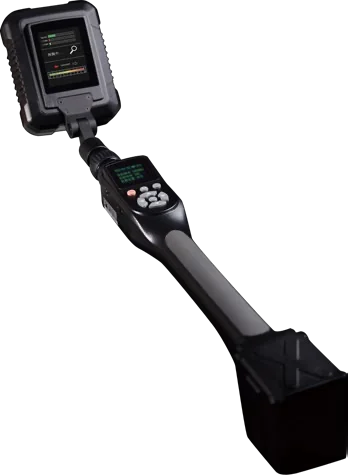
Combines junction detection with a wireless signal detector that indicates the direction and strength of transmitting devices, so one tool covers both live and dormant devices.
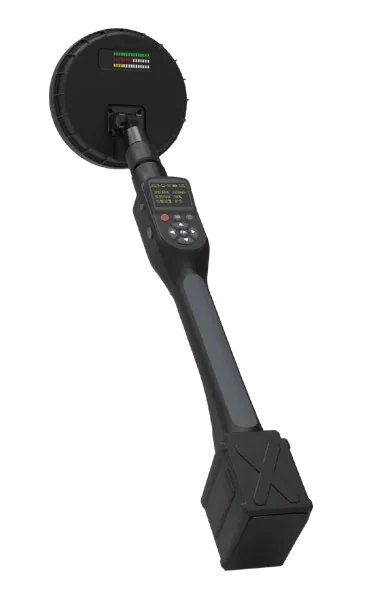
Locates very small concealed devices such as eavesdropping and covert recording equipment, even when powered off, with stable performance in electrically noisy environments.
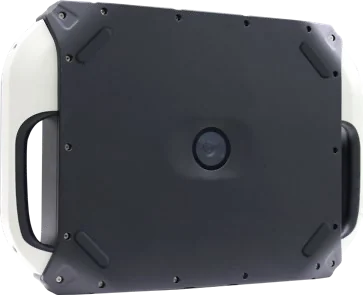
Uses phased-array harmonic radar with a camera to scan an area and show where concealed devices are on screen, with multi-target detection and one-touch screenshots for evidence.
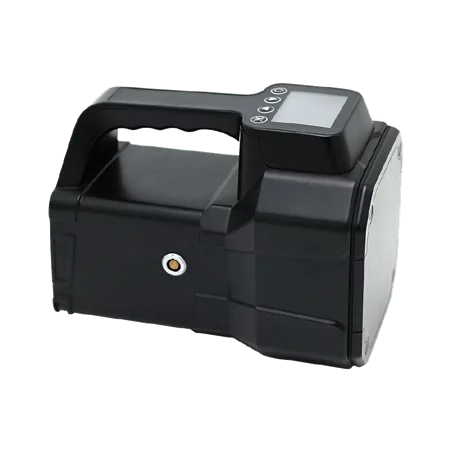
An RF listening device that detects mechanical and electronic timing mechanisms through packaging, to support explosive search and disposal. It can also be used to find eavesdropping devices.
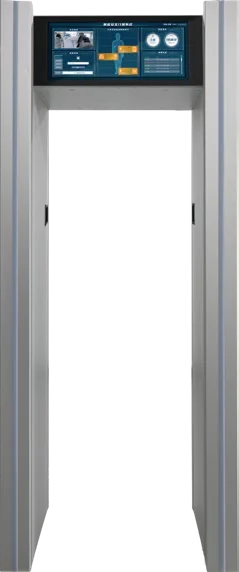
A walk-through gate that tells mobile phones and contraband apart from everyday metal items. For entrances to confidential facilities, research centres, factories and examination halls.
Software-defined radio (SDR) jammers, so new bands and protocols are added by software update.
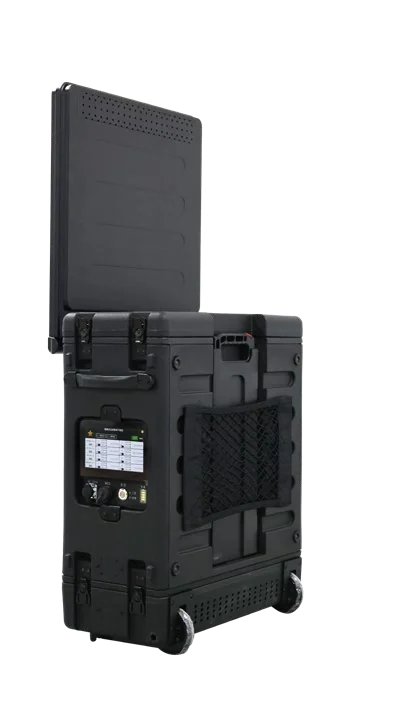
A one-person unit with an integrated omnidirectional antenna that blocks remote-control links, radios and mobile networks around a task site. Each band can be switched independently. Mains or built-in battery.

Housed in a standard roof box with no visible antennas and powered from the vehicle battery. For convoy protection and security at major events.
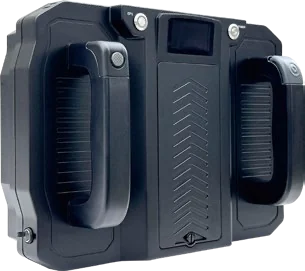
A directional, shield-shaped jammer that blocks drone video, control and navigation signals, in FPV-only or FPV plus conventional drone modes. *Distance varies with the environment and the drone.
Sweeping offices, meeting venues and confidential facilities for recording and listening devices.
Finding prohibited phones and electronics in correctional and controlled facilities.
Detecting electronic and timed devices, and blocking remote triggers during disposal.
Vehicle-mounted jamming for VIP movement and security at major events.
Screening for phones at entrances to restricted sites and examination halls.
Portable directional jamming for squads, bases and event security.
This equipment is intended for government, defence, law-enforcement and other authorised users. Frequency jammers in particular are supplied subject to end-user verification and the regulations that apply to their use.
Specifications on this page are those published in the product manual. Detection and jamming distances are test values and vary with the environment.
Full technical specifications for every product on this page.
Download →Legged and wheeled-leg robotic platforms for patrol, inspection and hazardous-environment survey.
View platforms →Alongside electronic countermeasures, MDT's engineering division designs passive physical protection for fixed sites against FPV drones and loitering munitions. Details are shared with qualified clients on request.
Enquire →Tell us the task and the environment. We will recommend equipment and send full specifications, availability and pricing.